
The psychology of risk understanding the mental effects of gambling
The Nature of Risk in Gambling
Gambling inherently involves risk, which can be both thrilling and anxiety-inducing. The unpredictable nature of outcomes engages the brain’s reward systems, prompting a release of dopamine that can create a sense of excitement. This reaction is often stronger than the fear of loss, which can lead individuals to take greater risks. Some players may even explore options at a non gamstop casino uk to increase their chances of winning. The emotional highs and lows associated with gambling contribute significantly to its allure, blurring the lines between rational decision-making and impulsive behavior.

Understanding the psychology behind risk-taking in gambling reveals how cognitive biases can skew perception. Gamblers often fall prey to the illusion of control, believing they can influence outcomes through skill or strategy, despite the random nature of most games. This cognitive distortion not only fuels engagement but also perpetuates a cycle of risk-taking that can lead to financial and emotional distress.
The Impact of Online vs. Offline Gambling
The advent of online gambling has transformed the landscape of risk engagement. Online platforms provide immediate access and convenience, often leading to higher gambling frequency. The absence of physical cues and social interactions can diminish the perceived risks, leading individuals to gamble more recklessly. Without the tangible environment of a casino, players may underestimate the seriousness of their actions, further exacerbating the psychological effects of gambling.
Conversely, offline gambling tends to involve more social elements and environmental cues that can influence behavior. The presence of other gamblers can provide social reinforcement, yet it can also lead to peer pressure. Understanding these differences is crucial for recognizing how they shape the gambling experience and the mental effects they engender.
The Role of Cognitive Dissonance in Gambling
Cognitive dissonance plays a significant role in the psychology of gambling. Gamblers may experience discomfort when their beliefs about luck or skill clash with negative outcomes. To alleviate this discomfort, they often rationalize their losses or persist in playing, hoping to recover losses. This mindset not only fuels continued gambling but can also lead to a distorted self-image and increased risk-taking behaviors.
This cycle of justification and rationalization can perpetuate harmful gambling habits. The inability to reconcile conflicting thoughts can lead individuals deeper into problematic gambling patterns, emphasizing the importance of awareness and mental health interventions in addressing these psychological effects.
Emotional Vulnerability and Gambling Addiction
Emotional vulnerability significantly impacts gambling behavior. Individuals experiencing stress, anxiety, or depression may turn to gambling as a form of escapism, seeking temporary relief from emotional pain. This reliance on gambling can foster an addictive cycle, where the initial thrill morphs into a compulsive need for the next bet.
Recognizing the emotional triggers that lead to gambling can be crucial for prevention and treatment. Therapeutic approaches that address underlying psychological issues can help individuals develop healthier coping strategies, thereby reducing the reliance on gambling as a means of emotional regulation.
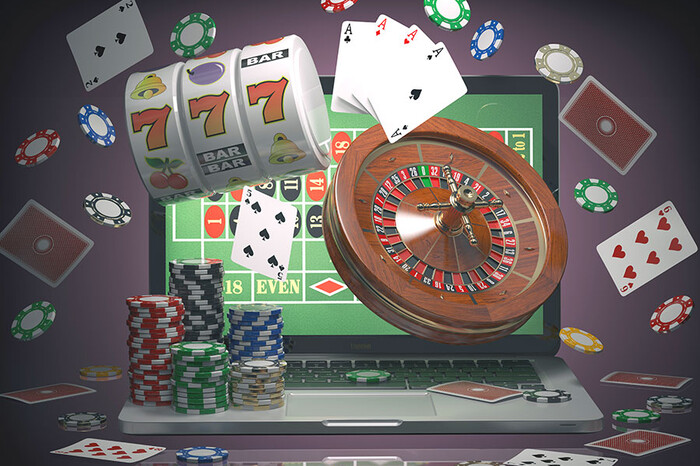
Your Mental Health Matters: A Safe Space for Gamblers
Understanding the mental effects of gambling is essential in promoting healthier behaviors. Our website is dedicated to providing resources that prioritize mental health and well-being for those affected by gambling. We believe in creating a supportive environment where individuals can learn about the psychological aspects of gambling and how to navigate their experiences safely.
Through awareness and education, we aim to empower individuals to make informed decisions about their gambling habits. Whether online or offline, recognizing the psychological factors at play can lead to more responsible gambling practices and improved mental health outcomes. Join us in fostering a community that values understanding and support in the realm of gambling psychology.