
The Allure of Chance and Uncertainty
The psychology of gambling is heavily influenced by the thrill of chance and uncertainty. Players are drawn to casino games primarily because they offer the unique experience of unpredictability. This sense of uncertainty can trigger excitement, making the prospect of winning feel exhilarating. The anticipation that comes with each roll of the dice or spin of the wheel fuels a rush of adrenaline, creating a momentary escape from the mundane. Many players enjoy trying their luck with online slot machines as a popular and accessible choice.
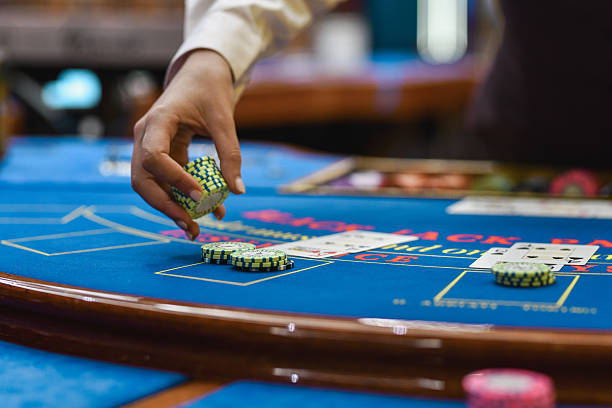
Moreover, the uncertain outcomes can foster a sense of hope. Players may believe that they can outsmart the odds, leveraging their skills or intuition to achieve victory. This belief can lead to repeated play, as individuals seek to replicate the euphoric feelings associated with past wins, cementing the psychological grip of casino games.
The Role of Reward Systems
Cognitive psychology provides insight into how reward systems shape player behavior. Casino games are designed to activate the brain’s reward pathways, triggering the release of dopamine—a neurotransmitter associated with pleasure and reinforcement. When players win, even small amounts, it reinforces their desire to continue playing, creating a cycle of behavior driven by the pursuit of further rewards.
Additionally, the design of casino games often incorporates variable reward schedules, where players receive rewards at unpredictable intervals. This has been shown to enhance engagement and motivation, as players remain hopeful for larger wins. The incessant possibility of a big payday keeps them returning, even when losses accumulate, revealing the complex relationship between psychology and gambling.
The Impact of Social Interaction
Social dynamics also play a significant role in the psychology behind casino games. The communal environment of a casino can enhance the overall experience, as players often share their highs and lows with others. This social aspect can create a sense of belonging and camaraderie, making the gaming experience more enjoyable and addictive.
Furthermore, the presence of other players can amplify emotions, leading to heightened excitement or tension that feeds into the gambling experience. This shared emotional state, whether it be cheers for a jackpot or collective disappointment over losses, solidifies the social aspect of gaming that many players crave, thus driving them to continue participating in casino games.
The Emotional Highs and Lows
The cycle of emotions experienced during gambling can be another driving factor for players. Winning brings a euphoric high, often described as being on cloud nine, while losing can lead to feelings of disappointment or frustration. For many, the thrill of winning overshadows the pain of losing, creating a tantalizing allure that keeps them coming back for more.
This emotional rollercoaster can impact decision-making processes, leading individuals to chase losses, a behavior termed “loss chasing.” Players may believe that they can turn their luck around, fueling their engagement with games despite dwindling funds. This push-pull dynamic between the highs of winning and the woes of losing reflects a complex psychological mechanism at play in the world of casino gaming.
The Influence of Casino Design and Atmosphere
The environment of a casino is meticulously crafted to enhance the gaming experience, influencing players’ psychological responses. From the vibrant colors and strategic lighting to the sounds of coins clinking or slots spinning, every aspect is designed to create an immersive atmosphere that keeps players engaged. The specific layout of a casino can also encourage longer playtimes, as it often features limited exits, creating a sense of entrapment that encourages players to stay longer.
Moreover, the absence of windows and clocks in many casinos serves to distort players’ perception of time, making them lose track of the hours spent gambling. This manipulative ambiance, combined with the allure of potential wins, contributes to the powerful psychological pull that casinos exert on players, driving their behavior and ultimately their desire to win.